

Accidents During Houston’s Heavy Rain Events and Disputes Over Safe Driving Speed
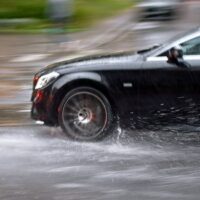
Heavy rain can turn an ordinary Houston commute into dangerous driving conditions within minutes. Visibility drops, water begins collecting on the pavement, tires lose traction, and traffic may slow suddenly on I-45, I-10, I-69, the West Loop, or neighborhood streets. When a crash follows, one of the first disputes is often surprisingly simple: Was the driver going too fast for the rain?
The posted speed limit does not always answer that question. Texas law requires drivers to use a speed that is reasonable for the conditions, and heavy rain can require a substantial reduction even when a driver remains below the posted limit. Early guidance from an experienced Houston car accident lawyer can help preserve evidence showing how hard it was raining, what traffic was doing, and how the vehicles were being driven before the collision.
What to Do After a Crash in Heavy Rain
Medical care comes first after a serious collision. Rain-related crashes can involve sudden braking, spinning vehicles, side impacts, rear-end collisions, and secondary crashes with barriers or other traffic. Injuries may also become more noticeable in the hours after the accident.
Weather conditions can change quickly after the crash. Heavy rain may stop, water may drain from the roadway, and traffic patterns can return to normal before an insurance investigation begins. Preserving what is available at the time of the accident can make a major difference later.
When circumstances allow, useful steps include:
- Seek medical attention for injuries and new symptoms.
- Preserve photographs or video showing rainfall, standing water, visibility, vehicle damage, and the roadway.
- Save dashcam footage before it is automatically overwritten.
- Obtain contact information from witnesses who saw the crash or the driving immediately before it.
- Keep towing, repair, medical, and employment records connected to the accident.
- Avoid estimating speed or accepting blame when the events leading to the collision are still unclear.
A serious rain-related accident may involve more than one contributing factor. The weather is part of the story, but it does not necessarily explain why the crash happened.
Texas Drivers Must Adjust Speed for Weather Conditions
Texas Transportation Code § 545.351 requires a driver to travel at a speed that is reasonable and prudent under the circumstances. The statute also specifically requires an appropriate reduction in speed when weather or highway conditions create a special hazard.
This means a driver traveling 55 mph in a 65 mph zone is not automatically driving safely. If heavy rain reduces visibility, traffic slows sharply, or water accumulates across the roadway, even 55 mph could be too fast for the conditions.
That distinction often becomes central to an injury claim. The insurance company may emphasize that its driver was below the posted speed limit. The more useful question is whether that speed allowed enough time and distance to recognize the danger, maintain control, and respond safely to traffic ahead.
Heavy Rain Changes How Much Time a Driver Has to React
Wet pavement reduces the margin for error. NHTSA advises drivers to slow down during rain because slick roads make vehicles more difficult to control and stop. It also recommends increasing following distance to provide additional time to respond to vehicles ahead.
Those problems can become especially pronounced during Houston rush-hour traffic. A driver may be moving at highway speed when traffic ahead suddenly slows because visibility has deteriorated or cars are approaching standing water. If the following vehicle has not reduced its speed or created more space, there may be little room left for safe braking.
Texas Transportation Code § 545.062 separately requires drivers to maintain enough distance behind the preceding vehicle to stop safely after considering vehicle speed, traffic, and highway conditions. Rain can therefore affect both the safe speed and the distance that should exist between vehicles.
“I Was Driving Under the Speed Limit” May Not Resolve Fault
Speed disputes after rainy-weather crashes often begin with conflicting driver statements. One driver may say traffic was moving normally. Another may remember everyone slowing significantly because the rain had become difficult to see through.
A speedometer reading by itself does not establish whether a driver was acting reasonably. Investigators may need to consider the intensity of the rain, visibility, traffic speed, water on the pavement, tire condition, braking, following distance, and how much time the driver had to react.
NHTSA also recognizes that speed can be unsafe even when a vehicle is traveling at the posted limit if road or weather conditions call for slower travel. Greater speed increases stopping distance and makes loss of vehicle control more likely.
A driver who continued at nearly normal freeway speed while surrounding traffic slowed for a severe downpour may face a very different responsibility analysis from a driver who had already reduced speed and was struck by another vehicle.
Sudden Traffic Slowdowns Can Lead to Serious Rear-End Crashes
Houston drivers know how quickly freeway traffic can change. During a heavy rain event, one part of the roadway may still be moving while traffic just ahead has slowed dramatically. Spray from large vehicles can further reduce visibility, and brake lights may be harder to see through sheets of rain.
A rear-end collision in those conditions may raise questions about both speed and following distance. The driver behind may claim that traffic stopped without warning. Evidence showing that heavy rain had already reduced visibility or caused other vehicles to slow can provide important context.
The first collision may also trigger a chain reaction. One vehicle strikes another, a third car cannot stop, and several additional impacts follow. Determining responsibility then requires separating the initial crash from later collisions rather than assuming every driver played the same role.
Evidence Can Help Reconstruct How Fast Traffic Was Moving
An injured person may not know the exact speed of another vehicle. A violent collision happens too quickly for most people to accurately judge miles per hour, especially during heavy rain.
Other evidence may provide a clearer picture. Dashcam recordings can show the relative speed of surrounding vehicles, visibility, brake lights, road spray, and traffic conditions. Nearby surveillance cameras or commercial vehicle cameras may capture portions of the crash. Some vehicles also contain electronic data that may be relevant to speed, braking, or other activity shortly before impact.
Physical evidence can add context. Vehicle damage, impact locations, debris, tire marks, final vehicle positions, and the distance a vehicle traveled after the collision may help investigators understand how the crash developed.
Weather evidence can also matter. National Weather Service information may help document rainfall affecting the Houston area around the time of the accident, while photographs and witness accounts can establish conditions at the specific crash location.
Standing Water Can Make Speed Even More Important
Heavy rain does more than reduce visibility. Water accumulating on the pavement can reduce tire contact with the roadway and increase the risk of hydroplaning.
TxDOT advises drivers during severe weather to slow down, increase following distance, avoid hard braking and sharp turns, and avoid flooded areas. The agency notes that slower driving and gentle braking can help reduce hydroplaning risk.
A driver who sees significant water or heavy spray ahead has information that roadway conditions are changing. Continuing at the same speed despite those warning signs can become part of the fault investigation if the vehicle later loses traction and crashes into someone else.
Tires can also influence what happens next. Worn tread or improper inflation can reduce wet-road performance. Tire condition does not answer every liability question, but it can become relevant when an insurer claims that the loss of control was caused entirely by an unavoidable patch of water.
Rain Does Not Automatically Excuse a Driver Who Loses Control
Insurance companies sometimes describe severe weather as though it were the sole cause of an accident. Rain itself does not steer a vehicle, choose its speed, or determine following distance.
The relevant issue is how the driver responded to the conditions that existed. Heavy rain may have required slower travel. Limited visibility may have called for more distance between vehicles. Standing water may have made a lane change or abrupt maneuver unsafe.
There are also situations where a crash truly develops despite a driver’s reasonable precautions. A sudden hazard can arise without enough time to avoid it. That is why responsibility should be based on the evidence rather than an automatic assumption that either the weather or the driver caused the crash.
More Than One Driver Can Contribute to a Rain-Related Collision
Some heavy-rain crashes involve mistakes by several drivers. One motorist may be traveling too fast while another changes lanes abruptly. A driver who initially loses control may be struck by someone following too closely. Several vehicles may then collide in the resulting congestion.
Careful review by a Houston car accident lawyer can help distinguish between what the weather caused and what individual drivers did in response to that weather. That distinction can affect both liability and the compensation available for medical expenses, lost wages, pain, physical limitations, and other losses.
Frequently Asked Questions About Houston Heavy-Rain Accidents
Can a driver be at fault while traveling below the speed limit?
Yes. Texas law requires a reasonable and prudent speed under the actual conditions. Heavy rain, low visibility, standing water, and congested traffic can require a speed well below the posted limit.
Does rain make a car accident unavoidable?
Not necessarily. Rain creates difficult conditions, but drivers are expected to respond by adjusting speed and following distance. Some crashes may be unavoidable despite reasonable driving, so the surrounding evidence still needs to be examined.
What evidence can show that another driver was going too fast?
Dashcam video, witness statements, electronic vehicle data, physical crash evidence, traffic conditions, and available video from nearby sources can all help. Weather information may also establish how severe conditions were when the collision occurred.
Can following too closely matter even if traffic stopped suddenly?
Yes. Texas law requires following distance to account for traffic speed and highway conditions. Heavy rain can require more stopping distance and additional space between vehicles.
What if several cars were involved in the crash?
Each driver’s actions may need to be evaluated separately. A multi-vehicle accident can involve different speeds, following distances, lane movements, and reactions to the weather, and more than one driver may share responsibility.
Contact Our Houston Personal Injury Lawyers at The Law Office of Shane R. Kadlec
A heavy-rain crash can leave an injured person dealing with medical treatment while insurance companies argue about speed, visibility, and whether the weather made the collision unavoidable. Preserving video, weather evidence, vehicle information, and witness accounts early can help establish what the drivers were actually doing before the crash.
The Law Office of Shane R. Kadlec brings decades of Houston injury-law experience to serious accident claims, and Shane R. Kadlec is Board Certified in Personal Injury Trial Law. If you were injured during a Houston rain event, contact our firm to speak with an experienced Houston car accident lawyer and learn how we can investigate the driving conditions, address disputed fault, and pursue compensation for the harm caused by the collision.
Sources:
- Texas Legislature, Texas Transportation Code § 545.351, Maximum Speed Requirement.
statutes.capitol.texas.gov/?tab=1&code=TN&chapter=TN.545&artSec=545.351 - Texas Legislature, Texas Transportation Code § 545.062, Following Distance.
statutes.capitol.texas.gov/?tab=1&code=TN&chapter=TN.545&artSec=545.062 - Texas Department of Transportation, Severe Weather Driving Safety Guidance.
txdot.gov/safety/driving-laws.html - National Highway Traffic Safety Administration, “Driving in Severe Weather.”
w.nhtsa.gov/road-safety/driving-in-severe-weather - National Highway Traffic Safety Administration, “Dangers of Speeding.”
nhtsa.gov/risky-driving/speeding