

T-Bone Accidents at Houston Intersections and the Fight Over Liability
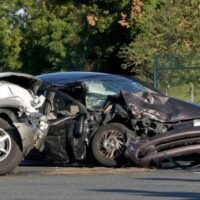
A T-bone accident can happen before either driver has time to understand the danger. One vehicle enters a Houston intersection, expecting cross traffic to stop, yield, or wait. Seconds later, another vehicle crashes into the side of the car, sending force directly toward the driver or passengers with little space between the impact and the people inside.
The aftermath often becomes a fight over who had the right of way. One driver says the light was green. The other says the first vehicle turned across traffic, rolled through a stop sign, or entered too soon. Witnesses may remember different details, and the crash report may not answer what happened in the final seconds before impact.
When both drivers blame each other, the claim should not depend on the loudest version of the story. Working with an experienced Houston T-bone collision lawyer can help focus the investigation on the intersection evidence, traffic-control devices, vehicle movement, and the sequence that caused the side-impact crash.
Vehicle Damage Does Not Decide Who Had the Right of Way
The vehicle with front-end damage is not automatically at fault for a T-bone accident. A driver traveling through an intersection with the right of way can still strike the side of another vehicle that ran a red light, ignored a stop sign, or turned across an open lane.
Side damage does not prove innocence either. A vehicle can be struck in the door, rear quarter panel, or passenger side after entering against a signal or pulling into the path of approaching traffic. The damage pattern shows where the vehicles came together. It does not, by itself, prove which driver had the legal right to proceed.
The point of impact becomes more useful when it is compared with lane positions, vehicle paths, turning movements, debris, final resting positions, and witness accounts. A crushed door tells part of the story. The full liability picture depends on what each driver did before the crash.
Traffic Signals and Stop Signs Shape the First Duty to Yield
Many Houston T-bone accidents begin when a driver enters from a stop-controlled side street, rolls through a stop sign, or proceeds against a traffic signal. Texas Transportation Code § 545.151 addresses vehicles approaching or entering intersections and requires drivers to obey traffic-control devices and to yield when required by law.
The important question is not only whether a sign or signal existed. Timing matters. A driver who stops at a sign but then pulls into an occupied lane can still fail to yield. A driver who enters on a yellow or changing light may face questions about whether there was enough time and distance to proceed safely. At an uncontrolled intersection, the direction of travel and the position of each vehicle can shape who had priority.
Houston intersections with multiple lanes, turning bays, service roads, limited sight lines, and heavy traffic can make those movements difficult to piece together from driver statements alone. The claim needs evidence showing how each vehicle approached the intersection and when each vehicle entered it.
Left-Turn T-Bone Crashes Require a Separate Look
A T-bone crash involving a left turn creates a different right-of-way dispute. Texas Transportation Code § 545.152 requires a driver turning left to yield to an oncoming vehicle already in the intersection or close enough to pose an immediate hazard.
That rule becomes important when one driver turns across traffic, and the oncoming vehicle strikes the side of the turning car. The turning driver may say there was enough room to complete the turn. The oncoming driver may say the turn happened suddenly and left no time to brake or steer away.
Speed, distance, signal timing, and the start of the turn become central. A protected green arrow can change the analysis, but only if the arrow was active when the turn began. When both drivers claim they had the signal, the case needs more than assumptions about left-turn fault. The evidence must support the actual sequence of the light and the vehicle movements.
Intersection Evidence Can Break the Tie
Driver accounts often conflict after a side-impact collision. Independent evidence can show which version fits the intersection and which version falls apart.
Traffic-camera footage, business surveillance video, nearby residential cameras, dashcams, and rideshare or delivery vehicle footage may capture the vehicles before impact. A witness standing outside the vehicles may have seen the signal, turn, stop sign, or lane movement more clearly than either driver involved in the crash.
The physical scene also matters. Debris, tire marks, gouges, damaged traffic signs, final vehicle positions, airbag deployment, and the angle of impact can help reconstruct the collision. Vehicle data may show speed, braking, steering input, or sudden deceleration during the final moments before impact.
That evidence can disappear quickly. Video systems overwrite footage. Vehicles are repaired or sold. Witnesses become harder to locate. Once those details are gone, the insurance company may try to reduce the case to two drivers telling different stories.
Shared Fault Can Change the Value of the Claim
Even when one driver violated the right of way, the insurance company may argue that the injured driver also contributed to the crash. The dispute may involve speed, attention, use of a phone, entering on a changing light, failing to brake, or having enough time to avoid the collision.
Under Texas Civil Practice and Remedies Code § 33.001, an injured person cannot recover damages if found more than 50 percent responsible. A smaller percentage of responsibility reduces compensation by that same percentage.
That rule gives insurance companies a reason to push shared-fault arguments. The other driver’s right-of-way violation remains important, but the injured person’s conduct can still become part of the fight. Strong evidence matters because speculation should not carry the same weight as video, witness statements, physical damage, vehicle data, and the actual intersection record.
Side-Impact Crashes Can Cause Serious Injuries
A T-bone accident sends force into the side of the vehicle, where there is less space between the crash and the people inside. Even with airbags and modern safety design, the body can be thrown sideways with violent force. Door intrusion, broken glass, spinning vehicles, and abrupt lateral movement can cause serious injuries.
Common injuries include head trauma, concussions, neck injuries, back injuries, shoulder injuries, rib fractures, chest trauma, hip injuries, knee injuries, internal injuries, and nerve damage. A passenger seated on the side of impact may face especially serious harm.
The full medical picture may not be clear at the scene. Pain can intensify after the shock wears off. Headaches, stiffness, radiating pain, dizziness, numbness, and mobility problems can become more obvious over the next several days. Medical records help document how the injuries developed, what treatment became necessary, and how the crash affected work, sleep, driving, and daily life.
What To Do After a T-Bone Accident in Houston
The first steps after an intersection crash can protect both your health and the claim. When fault is disputed, small details can become important later.
- Call 911 and wait for police and emergency medical responders if anyone is hurt.
- Get medical care, even if symptoms seem manageable at first.
- Photograph the vehicles, intersection, traffic signals, stop signs, lane markings, debris, skid marks, and visible injuries.
- Get names and contact information for witnesses.
- Look for nearby businesses, homes, buses, rideshare vehicles, or dashcams that may have captured the intersection.
- Avoid guessing about speed, signal color, or fault if you are unsure.
- Save the crash report information, insurance letters, repair estimates, medical records, and photos.
- Do not give a recorded statement to the other driver’s insurance company before understanding how your words may be used.
These steps help preserve the facts before the intersection changes, vehicles are moved, and video footage is erased. They also help prevent the insurance company from turning uncertainty into an unfair argument about fault.
Texas Car Accident Claims Have a Two-Year Filing Deadline
Texas Civil Practice and Remedies Code § 16.003 generally gives an injured person two years to file a personal injury lawsuit. Limited exceptions may apply in certain cases, but the ordinary deadline still applies to many motor vehicle accident claims.
That deadline continues to run while medical treatment, vehicle repairs, and insurance negotiations are still underway. Settlement talks do not automatically protect the right to file a lawsuit. Missing the applicable deadline can end the claim even when the injuries are serious, and the other driver was clearly at fault.
The two-year deadline is not the only timing concern. Intersection evidence can disappear much sooner. Video may be overwritten within days or weeks. Vehicles may be repaired. Witness memories may fade. Early action gives the injured person a better chance to preserve the evidence before the case becomes a debate over missing proof.
Early Legal Guidance Helps Protect the Right-of-Way Evidence
A T-bone accident claim often depends on evidence that is not available from the crash report alone. Signal timing, video footage, witness statements, vehicle damage, roadway markings, and electronic data can all help show which vehicle entered unlawfully or failed to yield.
Pressure from the insurance company can arrive before the evidence is complete. An adjuster may ask for a recorded statement, suggest that both drivers share blame, or offer a quick settlement before the full medical picture is clear. A rushed account or early settlement can make it harder to address disputed liability later.
When an intersection crash turns into a right-of-way dispute, early guidance from a T-bone collision lawyer in Houston can help preserve the evidence, evaluate fault, and keep the claim from being defined by the other driver’s version of events.
FAQs About T-Bone Accidents in Houston
Is the driver with front-end damage always at fault in a T-bone accident?
No. Front-end damage shows where the vehicle struck, but it does not prove who had the right of way. A driver with front-end damage may have been traveling lawfully through the intersection when another vehicle ran a red light, failed to yield, or turned across traffic.
What evidence helps prove fault after an intersection crash?
Useful evidence may include traffic-camera footage, business surveillance video, dashcam footage, witness statements, crash-scene photos, debris location, final vehicle positions, traffic signal timing, vehicle damage, and electronic vehicle data. The strongest evidence usually shows how the vehicles approached and entered the intersection.
What if both drivers say they had a green light?
When both drivers claim they had the green light, the case needs independent evidence. Video, witness statements, signal records, lane positions, vehicle damage, and crash reconstruction may help determine which account best fits the physical evidence.
Can I still recover compensation if I am partly at fault?
Yes, as long as your percentage of responsibility is not greater than 50 percent. If you are assigned 50 percent or less fault, your compensation may be reduced by that percentage.
Why are T-bone accidents often so serious?
Side-impact crashes direct force toward the passenger compartment, where there is less protection than at the front or rear of the vehicle. The impact can cause head, neck, back, chest, hip, and leg injuries, especially when the striking vehicle is moving at high speed, or the crash causes door intrusion.
Contact a Houston Personal Injury Lawyer at The Law Office of Shane R. Kadlec
If you were injured in a T-bone accident at a Houston intersection, you should not have to face a disputed liability claim alone while managing medical treatment, missed work, vehicle damage, and the disruption caused by the crash. A fight over the right of way can add pressure at the exact time when your attention belongs on your health and recovery.
At the Law Office of Shane R. Kadlec, our Board-Certified Personal Injury lawyers and legal team represent injured clients throughout Houston, Harris County, and surrounding communities after serious intersection crashes. Contact us to speak with a trusted Houston T-bone collision lawyer and learn how we can help you move your claim forward with clarity and confidence.
Sources:
Texas Legislature, Texas Transportation Code § 545.151, Vehicle Approaching or Entering Intersection
statutes.capitol.texas.gov/?artSec=545.151&chapter=TN.545&code=TN&tab=1
Texas Legislature, Texas Transportation Code § 545.152, Vehicle Turning Left
statutes.capitol.texas.gov/?artSec=545.152&chapter=TN.545&code=TN&tab=1
Texas Legislature, Texas Civil Practice and Remedies Code § 33.001, Proportionate Responsibility
statutes.capitol.texas.gov/?artSec=33.001&chapter=CP.33&code=CP&tab=1
Texas Legislature, Texas Civil Practice and Remedies Code § 16.003, Two-Year Limitations Period
statutes.capitol.texas.gov/?artSec=16.003&chapter=CP.16&code=CP&tab=1