How Knowledgeable Witnesses Bolster Your Personal Injury Claim

One crash or fall can change a family’s plans for years, which is why the result of a personal injury case matters so much.
At the Law Office of Shane R. Kadlec, we have stood with injured people across Houston since 1996, listening closely and building cases that fit their lives. In this article, we explain how outside professionals, serving as knowledgeable witnesses, can strengthen your claim by making the facts clear and your losses plain. Free consultations are available if you want to talk through your situation.
Significance of Knowledgeable Witnesses in Injury Cases
Personal injury cases can feel intricate, with lots of moving parts and fine details that need attention. Insurance carriers often contest fault, the cause of injuries, or the value of losses, which puts a premium on clear, reliable information.
Knowledgeable witnesses are trained professionals with deep insight in fields tied to your case, such as medicine, engineering, finance, and mental health. They study records, apply accepted methods, then share opinions rooted in real-world practice and education.
Most importantly, these witnesses speak in plain terms; they turn complicated topics into easy-to-follow points for the judge and jury. Because they are independent and focused on facts, their input carries weight and helps anchor the story of what happened.
Varieties of Knowledgeable Witnesses in Injury Claims
The right fit depends on the details of your claim, the type of incident, and which issues are in dispute. Below are common categories we use to support or challenge evidence at different stages of a case.
Medical Professionals
Doctors and treating providers explain diagnoses, the course of treatment, and long-term health effects. They also outline what care you will need down the road, including costs, therapy, medication, and possible surgery.
Their testimony can connect the dots between the incident and your injuries, which supports causation and pushes back on defense arguments that blame prior conditions.
Accident Reconstruction Professionals
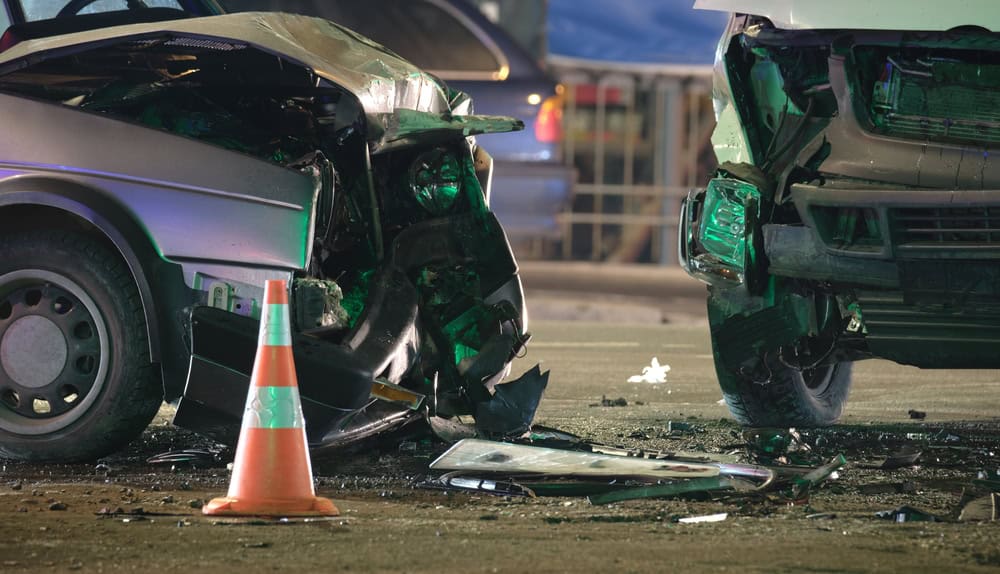
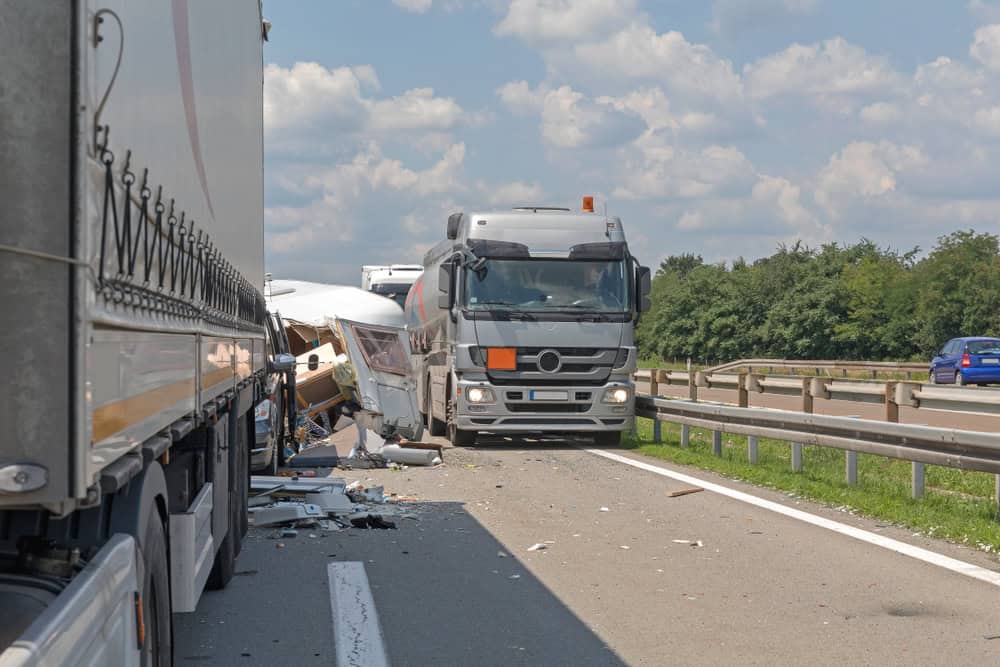
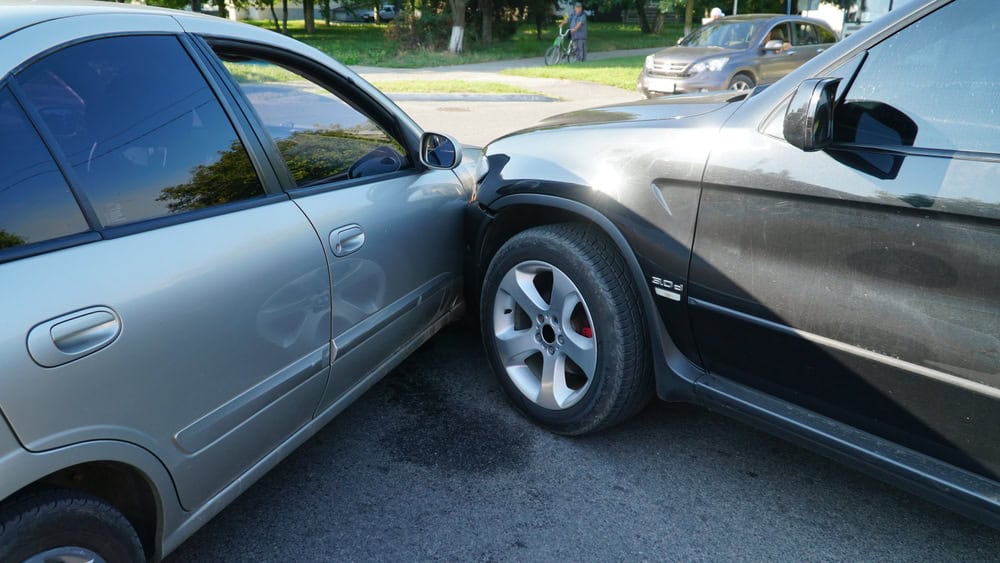
Reconstructionists are especially useful in car, truck, motorcycle, and pedestrian crashes. They analyze the scene, study vehicle damage, review data from event recorders, and create a clear picture of how the incident unfolded.
This work can reveal important details, such as vehicle speeds, braking, sight lines, and angles of impact, which helps the jury understand fault with less guesswork.
Forensic Professionals
In product liability, criminal conduct, or fire and explosion cases, forensic professionals test materials, study failure points, and examine patterns left behind by the event. They explain whether a defect, violation, or hazard caused the harm.
Because their focus is testing and analysis, their opinions often anchor causation and help sort out responsibility among multiple parties.
Economic Professionals
Economists and financial analysts calculate the full monetary impact of an injury, including past and future lost income, medical bills, household services, and long-term care. They use accepted models and account for inflation and interest rates.
Their reports help set a number that matches the real cost of an injury, not just what an insurer wants to pay today.
Mental Health Professionals
Therapists and psychologists describe the emotional and mental fallout after a serious accident. They address anxiety, PTSD symptoms, sleep problems, and other conditions that can affect work, relationships, and daily life.
This testimony supports pain and suffering and helps show how the injury changed your day-to-day routine.
Law Enforcement Officers
Officers can examine scenes, interview witnesses, and compile diagrams and photos tied to the incident. In some matters, they complete forensic evaluations that add clarity to the timeline.
Their reports, when available, often provide a reliable framework that the rest of the case builds on.
To pull those roles together, the summary below shows how different professionals fit common injury disputes.
| Witness Type | Main Focus | Typical Use in Claims |
| Medical Professionals | Diagnosis, treatment, future care | Causation, damages, future medical planning |
| Accident Reconstruction | How the incident happened | Fault, defense challenges to liability |
| Forensic Professionals | Testing and failure analysis | Product liability, fires, criminal conduct |
| Economic Professionals | Financial impact calculations | Lost income, future costs, present value |
| Mental Health Professionals | Emotional and mental harm | Pain and suffering, life impact |
| Law Enforcement Officers | Scene investigation and records | Timeline, corroboration, fault analysis |
With the right mix of voices, your case shifts from claims and arguments to clear proof the jury can trust.
How Knowledgeable Witnesses Can Reinforce Your Claim
These professionals bring focus to the parts of a case that are often the hardest to explain. Their neutral opinions, grounded in training and accepted methods, can carry real weight with both adjusters and jurors.
- They add weight to your claims with fact-driven opinions rooted in applicable knowledge and methods.
- They make tough topics simple, helping jurors grasp medical, technical, or financial details.
- They strengthen particular parts of a case, such as a disputed diagnosis or the mechanics of a crash.
- They build the link between the incident and the injury, which supports causation.
- They evaluate damages by measuring how the injury affects work, home life, and health long term.
- Strong, well-supported opinions can push the other side to raise a settlement offer.
- Clear, unbiased input can sway a jury, leading to a favorable verdict.
- They quantify both money losses and non-monetary harm, aiming for fair compensation.
- They explain future medical needs and lost earnings to justify the amount requested.
In short, a good witness helps the jury feel less lost and more confident in the facts that support your claim.
Important Factors in Selecting a Knowledgeable Witness
Picking the right professional matters since the wrong fit can weaken a strong case. We look at training, track record, and how well the person can teach.
- Education and field knowledge that match the part of the case they will address.
- Advanced degrees or respected credentials that add weight to their opinions.
- Clear communication skills since the judge and jury need to follow along.
- A history of fair, unbiased opinions, without personal ties to either side.
- Solid methods that hold up under cross-examination and in written reports.
Our team helps line up the right professionals at the right time, so your case tells a clear story from start to finish.
Contact Us for a Free Consultation
If you are sorting through an injury claim and want straight talk about how knowledgeable witnesses could help, reach out to the Law Office of Shane R. Kadlec.
We have helped injured people in Houston since 1996, and we work hard to build cases that reflect real life, not just paperwork. Feel free to call us at 281-643-2000 or visit our website to schedule a free consultation.
We welcome your questions, and we are ready to help you move forward with confidence.