

Civil Injury Claims Against Drunk Drivers in Texas
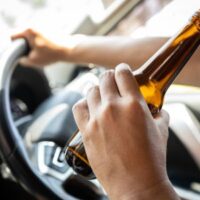
A drunk-driving crash can leave someone facing serious injuries, lost income, and months of medical treatment while a separate criminal case moves forward against the driver. The injured person does not have to wait for that criminal case to end before pursuing compensation. A Texas civil injury claim is a separate case focused on who caused the crash, the harm that resulted, and the compensation needed for those losses.
Evidence of intoxication can play an important role, but the claim still needs to establish how the collision occurred and connect the crash to the injuries and financial losses. Early guidance from an experienced Houston personal injury lawyer can help preserve evidence of alcohol use, investigate the driver’s actions before the collision, and identify every party that may bear responsibility.
What to Do After a Crash Involving a Suspected Drunk Driver
The hours and days after the crash can produce evidence that will not remain available indefinitely. Police may conduct field sobriety testing, obtain breath or blood evidence, photograph the scene, interview witnesses, or record interactions through body-worn cameras. Nearby businesses may have surveillance video that is routinely erased.
Medical care comes first. Once immediate health needs are addressed, several practical steps can help protect the injury claim.
- Obtain medical treatment promptly and describe all symptoms accurately.
- Keep the crash report number and information identifying the investigating agency.
- Preserve photographs and videos of the vehicles, roadway, injuries, and surrounding area.
- Save the names and contact information of witnesses who observed the crash or the driver’s behavior.
- Keep medical bills, wage records, repair estimates, and other documents showing financial losses.
- Avoid giving the other driver’s insurance company a recorded statement before understanding the scope of the injuries and the evidence available.
A serious drunk-driving accident may involve evidence beyond the crash scene itself. Receipts, credit-card transactions, restaurant video, witness accounts, rideshare records, and information concerning where the driver was drinking before getting behind the wheel can help reconstruct the hours leading to the collision.
A Civil Injury Claim Is Separate From the Driver’s DWI Case
Texas Penal Code § 49.04 makes it an offense to operate a motor vehicle in a public place while intoxicated. Texas law defines intoxication in more than one way. A person is considered intoxicated when alcohol or another substance causes the loss of normal mental or physical faculties or when alcohol concentration reaches 0.08 or higher.
Criminal law can generate important evidence, but the criminal prosecution and the personal injury claim serve different purposes. Prosecutors determine whether criminal charges should be pursued. The civil claim seeks compensation for the person injured by the driver’s conduct.
A dismissal, reduction, or other outcome in the criminal proceeding does not automatically decide the civil injury claim. A personal injury case can rely on the circumstances of the crash, unsafe driving, witness testimony, chemical testing, video, and other evidence even when the criminal case ends without a DWI conviction.
Proving Intoxication Is Only Part of the Civil Case
Evidence that a driver had been drinking can be powerful, but intoxication alone does not establish every part of an injury claim. The evidence still needs to show that the driver’s conduct caused or contributed to the collision.
That distinction can become important in complicated Houston crashes involving freeway traffic, multiple vehicles, disputed lane changes, or conflicting accounts of what happened. A driver may have been intoxicated, but the insurance company can still contest how the collision occurred or argue that another motorist shared responsibility.
A thorough investigation therefore examines both intoxication and crash mechanics. Vehicle damage, roadway evidence, electronic vehicle data, traffic-camera footage, witness statements, phone records, and accident reconstruction may help establish how the drunk driver’s actions caused the impact.
Drunk-Driving Cases Can Raise the Issue of Exemplary Damages
Some drunk-driving cases involve more than ordinary negligence. Texas law allows exemplary damages in limited circumstances when the required level of misconduct is proven by clear and convincing evidence.
Under Texas Civil Practice and Remedies Code § 41.003, exemplary damages may be available when harm results from fraud, malice, or gross negligence. Texas defines gross negligence as conduct involving an extreme degree of risk together with actual awareness of that risk and conscious indifference to the rights, safety, or welfare of others.
Drinking alcohol before driving does not automatically establish gross negligence in every civil case. The surrounding conduct can influence the issue. Evidence concerning the amount of alcohol consumed, visible intoxication, prior warnings, reckless driving, the driver’s actions immediately before the crash, and other circumstances may become significant.
Texas also has a special rule concerning certain alcohol-related felony conduct. The ordinary statutory limitation on exemplary damages under § 41.008 does not apply to a claim based on conduct described as intoxication assault under Penal Code § 49.07 or intoxication manslaughter under § 49.08. This exception is particularly important in crashes involving serious bodily injury or death and requires careful evaluation of the facts and the statutory requirements.
Intoxication Assault Can Overlap With a Serious Injury Claim
A driver accused of causing severe injuries while intoxicated may face an intoxication-assault charge under Texas Penal Code § 49.07. The statute applies when a person operating a motor vehicle in a public place while intoxicated causes serious bodily injury to another by reason of that intoxication.
The criminal charge and civil claim still remain separate proceedings. The evidence developed during the criminal investigation can nevertheless become highly relevant to the injury case. Blood testing, officer observations, video recordings, witness interviews, and reconstruction evidence may provide information that would be difficult to recreate months later.
A serious-injury claim also extends well beyond proof that the driver was intoxicated. Medical specialists may need to address future treatment, permanent impairment, inability to return to prior employment, or the long-term effect of a traumatic brain injury, spinal injury, fracture, or other disabling condition.
A Bar or Restaurant Could Also Be Part of the Investigation
Some drunk-driving crashes raise a separate question about where the driver obtained alcohol. Texas’s Dram Shop Act permits a statutory claim against an alcohol provider under specific circumstances.
Texas Alcoholic Beverage Code § 2.02 requires proof that it was apparent to the provider when alcohol was sold, served, or provided that the person was obviously intoxicated to the point of presenting a clear danger to that person and others. The recipient’s intoxication must also have been a proximate cause of the damages.
This is a demanding standard, and the fact that a driver left a bar intoxicated does not automatically make the business liable. Evidence showing the driver’s condition while alcohol was still being served becomes critical. Surveillance footage, receipts, timestamps, witness testimony, point-of-sale records, and observations by employees or other patrons can help establish what occurred before the driver left.
That evidence can disappear quickly. A civil investigation should identify a potential alcohol provider early enough to preserve records and video rather than assuming that the police investigation will collect everything needed for a later dram-shop claim.
Insurance Problems Can Make the Case More Complicated
A drunk driver may have liability insurance, but serious injuries can quickly exceed the available policy limits. Hospitalization, surgery, rehabilitation, time away from work, and permanent impairment can create losses far greater than the coverage carried by an individual driver.
The investigation should determine the available liability insurance and examine other potential sources of recovery. Depending on the circumstances, those sources could include applicable uninsured or underinsured motorist coverage or a separate claim against another legally responsible party.
Guidance from a Houston personal injury lawyer can help evaluate those coverage issues while the liability investigation is still underway. The value of a serious injury claim depends on the full extent of the losses, not simply the amount an insurance carrier initially offers.
Frequently Asked Questions About Civil Claims Against Drunk Drivers in Texas
Do I have to wait for the drunk driver to be convicted before filing a personal injury claim?
No. The civil injury claim is separate from the criminal DWI prosecution. Evidence from the criminal investigation may help establish liability, but a criminal conviction is not a prerequisite for pursuing a civil claim.
What if the driver’s BAC was below 0.08?
A BAC below 0.08 does not necessarily end the issue. Texas law also defines intoxication as not having the normal use of mental or physical faculties because of alcohol, drugs, or other substances. The driver’s unsafe conduct can also support a negligence claim regardless of whether prosecutors prove criminal DWI.
Can punitive damages be recovered after a drunk-driving accident?
Potentially. Texas calls these exemplary damages, and they require proof meeting the standards in Chapter 41 of the Civil Practice and Remedies Code. They are not automatic in every alcohol-related crash. Claims involving conduct described as intoxication assault or intoxication manslaughter can also involve a statutory exception to the ordinary exemplary-damages cap.
Can the bar that served the drunk driver be sued?
Possibly. Texas law allows a dram-shop claim when the statutory requirements are met, including proof that the person was obviously intoxicated to the extent of presenting a clear danger when alcohol was provided and that the intoxication proximately caused the damages.
What if the drunk driver’s insurance is not enough to cover the injuries?
Other insurance or responsible parties may need to be investigated. A serious claim can involve the driver’s liability coverage, applicable uninsured or underinsured motorist coverage, and, in appropriate circumstances, another party whose conduct contributed to the accident.
Contact Our Houston Personal Injury Lawyers at The Law Office of Shane R. Kadlec
A drunk-driving crash can involve far more evidence than an ordinary insurance claim. Police recordings, blood or breath testing, surveillance video, alcohol-purchase records, witness accounts, vehicle data, and evidence from the driver’s activities before the collision may all help establish what happened. Preserving that information early is particularly important when the injuries are severe or another party may share liability.
The Law Office of Shane R. Kadlec has represented injured people in Houston for decades, and Shane R. Kadlec is Board Certified in Personal Injury Trial Law by the Texas Board of Legal Specialization. Contact the firm to speak with an experienced Houston personal injury lawyer and learn how we can investigate a drunk-driving accident, preserve important evidence, evaluate the available insurance and responsible parties, and pursue compensation for the harm caused by the crash.
Sources:
- Texas Penal Code Chapter 49, Intoxication and Alcoholic Beverage Offenses
statutes.capitol.texas.gov/Docs/PE/htm/PE.49.htm - Texas Civil Practice and Remedies Code Chapter 41, Damages
statutes.capitol.texas.gov/Docs/CP/htm/CP.41.htm - Texas Alcoholic Beverage Code Chapter 2, Civil Liabilities for Serving Beverages
statutes.capitol.texas.gov/Docs/AL/htm/AL.2.htm