

Do Traffic Cameras Record 24/7 in Texas? Regulations and Your Rights
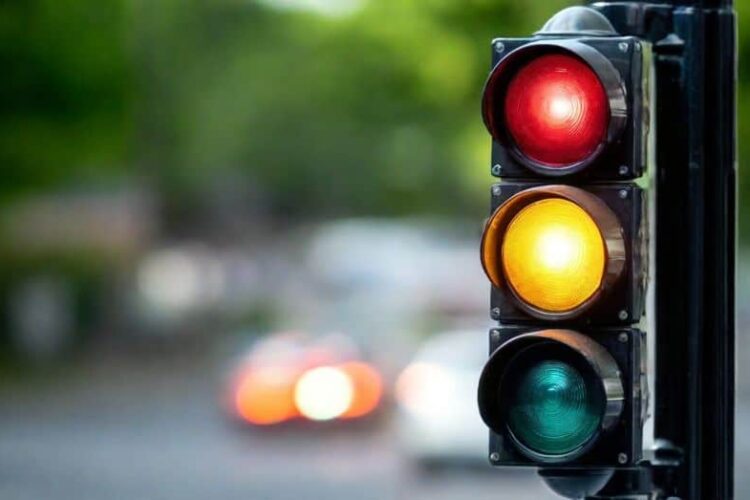
Red lights flash, brakes squeal, and you suddenly wonder if a nearby traffic camera just captured the entire scene. We hear that question every week in our office.
Since 1996, The Law Office of Shane R. Kadlec has guided crash victims through the maze of evidence gathering, including camera footage. Today, we break down whether Texas traffic cameras record footage nonstop, how the rules shape your personal injury case, and why a quick, free consultation can keep valuable proof from disappearing.
Traffic Camera Recording Policies: An Overview
Texas roadways host three main public camera systems: those maintained by the Texas Department of Transportation (TxDOT), city-operated traffic cameras, and a handful of red-light cameras still functioning under old contracts. Each serves traffic management first, not round-the-clock surveillance.
With that in mind, most government cameras in Texas snap isolated images or short clips instead of storing continuous video. Private security cameras on businesses or homes often fill the gap when accident footage from public cameras does not exist.
- TxDOT cameras support live highway maps and incident alerts.
- City cameras help engineers time lights and watch congestion.
- Red-light cameras, where legal, only trigger when a violation occurs.
If your wreck happened within range of a privately owned lens, footage may survive for days or even weeks. Public systems, however, rarely keep files long enough for a slow response.
TxDOT Traffic Cameras: Limited Recording Capabilities
Highway cameras you see on the TxDOT live map are meant to monitor traffic flow, not provide evidence. These units typically capture still frames every few seconds, displaying them online so drivers can plan routes. Continuous video is not stored. In fact, many cameras overwrite the last image within minutes.
You may file an Open Records request asking TxDOT for archived stills, yet two hurdles appear: retention periods are extremely short, and resolution is often too low to identify vehicles. For multi-vehicle pileups, other sources usually prove far more helpful.
City Operated Traffic Cameras: Similar Restrictions
Cities mirror the state’s approach. Houston TranStar openly states it “does not record video or save images.” Dallas, Austin, and San Antonio follow the same playbook, streaming images in real time but avoiding storage costs and privacy disputes.
Before spending time on requests, call the local traffic operations office and ask whether footage is retained. In most metro areas, the answer remains “no,” so energy is better spent locating nearby businesses with exterior cameras.
Red-Light Cameras: Photo Enforcement and Restrictions
Texas lawmakers barred new red-light cameras in 2019. Yet four cities: Humble, Amarillo, Balcones Heights, and Leon Valley, still run cameras under pre-existing contracts that last several more years.
Even there, the devices only activate when a sensor detects a car entering on red. They snap two or three photos and sometimes a postage-stamp video lasting a few seconds. No recording occurs unless a traffic law violation triggers the system, and raw files are tightly controlled by the vendor, not city staff.
If your crash happened near one of these intersections, act fast. Vendors purge data once citation deadlines pass.
Regulations Regarding Traffic Camera Footage
Texas privacy statutes give public-sector agencies broad leeway to discard camera data quickly. No law forces TxDOT or cities to keep files for civil discovery. When images do exist, they qualify as government records, so an Open Records Act request is required. Agencies may deny requests that reveal personal information, plate numbers, or anything outside the scope of the statute.
Retention schedules vary:
Typical Retention Periods in Texas
| Typical Retention Periods in Texas | ||
| Camera Type | Stored? | Approximate Time Kept |
| TxDOT Highway | Still images only | Minutes to hours |
| City Traffic | Rarely stored | Not retained |
| Red-Light (active cities) | Photos & 12-sec clips | 30 to 90 days |
| Private Security | Full video | 7 to 45 days (varies) |
Because most public systems overwrite footage almost immediately, your legal team must turn to private footage, eyewitness accounts, or crash reconstruction to build a strong claim.
Private Security Cameras: A Potential Source of Valuable Evidence
Gas stations, retail stores, and even doorbell cameras line Texas streets, quietly recording day and night. These private camera feeds often capture fender benders, hit-and-runs, and pedestrian impacts.
There are two common paths to obtain such video footage:
- Friendly request: Owners may email or copy the clip if asked within their retention window.
- Subpoena: If they refuse or ignore the request, your lawyer can file suit and serve a subpoena before files are deleted.
Some municipalities, including Houston and Dallas, now require certain late-night businesses to install cameras aimed at parking lots. These ordinances expand the pool of possible evidence after midnight crashes.
How to Preserve Video Evidence and Protect Your Rights After a Car Accident in Texas
What you do in the minutes and hours after a crash can directly affect both your health and your legal claim. If there’s any chance cameras captured the incident, act quickly, but don’t overlook the basics:
- Seek medical attention: Your health comes first. Call 911 if anyone is hurt, and accept medical evaluation at the scene. Even if you feel okay, follow up with a doctor as soon as possible. Some injuries take hours or days to appear, and medical records are key evidence in any claim.
- Call the police: Contact local authorities so that an official police report can be created. This report documents the crash and identifies the parties involved, and it can become a critical piece of evidence later.
- Photograph and preserve all physical evidence: Capture vehicle damage, license plates, skid marks, debris, road conditions, and traffic signals. If you have a dash cam, save and back up the footage immediately.
- Identify and document nearby cameras: Take photos or video of intersections, traffic lights, and surrounding buildings. Try to capture addresses, business names, and the direction cameras are facing.
- Gather witness information: Get names and phone numbers from anyone who saw the crash. Ask whether they have dash cam footage or noticed cameras you may have missed. Witness statements can prove invaluable later, even if no footage is available.
- Consult a car accident attorney as soon as possible: Contact a lawyer as soon as possible and share everything you’ve collected. Early action gives your attorney the best chance to secure footage and other evidence before it’s lost.
- Be careful when speaking to insurers: Avoid giving recorded statements or accepting quick settlement offers before understanding the full extent of your injuries and damages.
Frequently Asked Questions About Traffic Cameras in Texas
Can the police help me secure traffic camera evidence?
In felony hit-and-run cases, law enforcement agencies frequently canvass nearby businesses for video. For routine collisions, officers rarely have time to do so. Do not assume the police will hunt down footage unless a crime is involved. Taking initiative, or hiring a legal professional to do it, is the surest way to secure recordings before they vanish.
How do you get traffic camera footage in Texas?
To recover traffic camera footage in Texas, you generally need to submit a public records request to the appropriate state or local agency responsible for operating the camera. However, keep in mind that many traffic cameras do not store footage at all. In many situations, it is better to try to retrieve footage from a private camera, such as a doorbell camera, security camera, or dash camera.
Do all traffic lights in Texas have cameras?
No, most traffic lights in Texas do not have cameras. While you may see devices mounted near signals, many of these are sensors used to detect vehicles and manage traffic flow, not recording cameras. Texas does use some traffic monitoring cameras (often operated by the Texas Department of Transportation or local agencies), but they are selectively placed, not installed at every intersection. Additionally, Texas banned red-light camera enforcement systems in 2019, so intersections are no longer widely equipped with cameras for issuing tickets.
What do traffic cameras look like?
Traffic cameras in Texas usually appear as small, box-shaped or dome-style devices mounted on poles, traffic lights, or overhead arms at intersections. They’re often angled toward lanes of traffic and may be paired with other equipment like sensors or lights. Some are clearly visible, while others blend in with traffic infrastructure. It’s also common to mistake vehicle detection sensors (which may look like cameras) for recording devices, even though they don’t capture video.
Contact The Law Office of Shane R. Kadlec for Assistance
For nearly three decades, our firm has helped Texans secure medical care and fair compensation after serious crashes, even when traditional traffic footage falls short. We track down private recordings, file timely requests, and build cases that hold careless drivers accountable.
Contact us or stop by our Houston office for a free consultation. Our car accident lawyers in Texas fight to protect your rights, recover lost wages, and cover every medical bill, using every shred of available evidence to push for the result you deserve.
Still weighing your options? A quick call today can stop valuable video from being erased tomorrow. Let’s talk before the footage is gone.