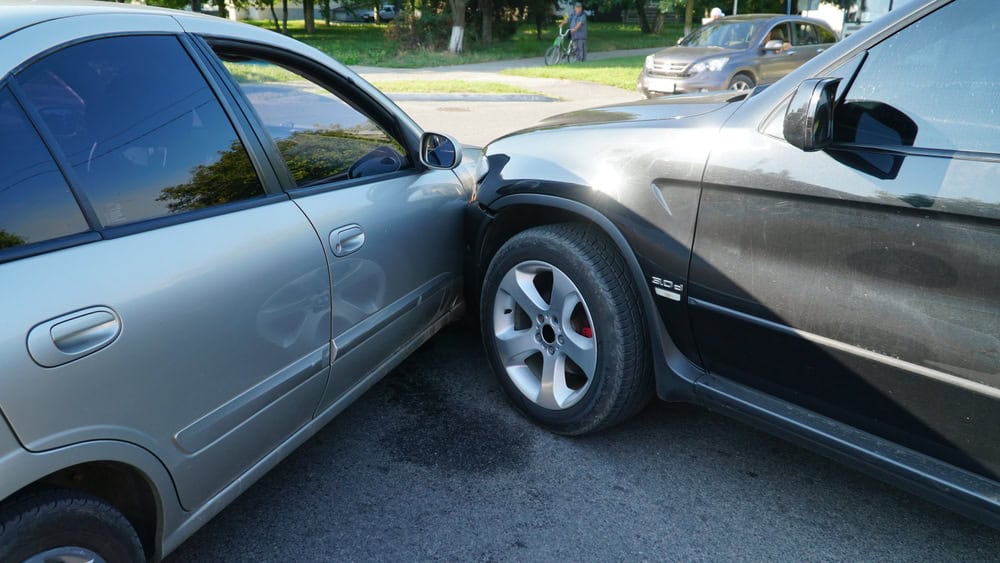
What Is a “Bodily Injury Claim”? A Simple Explanation for Accident Victims

Following an injury, victims often face a confusing and stressful period. Medical appointments, financial concerns, and interactions with insurance adjusters can be difficult to manage, particularly when you are trying to recover. Many doctors may be reluctant to treat accident-related injuries, and insurance companies may not be fully transparent about your rights.
The Law Office of Shane R. Kadlec assists injured Texans with these challenges. Our role is to navigate the claims process, ensure you receive the necessary medical care, and meticulously document all aspects of your case. This guide provides a straightforward explanation of a bodily injury claim, empowering you to understand the process and your potential for recovery
Bodily Injury Claims: The Basics
A bodily injury claim asks the at-fault party, usually through an insurance company, to pay for the physical harm their carelessness caused you. Common events include traffic collisions, slips on wet store floors, or machinery mishaps at work. The goal is to cover doctor visits, lost paychecks, and the ripple effect of pain on daily life.
When you file such a claim, you are saying, “Your unsafe act hurt me, and I want fair money so I can rebuild.” That single sentence powers the entire process; yet, every case carries its facts, policies, and deadlines, which we will explore below.
Bodily Injury vs. Personal Injury: Key Differences
People often mix these two phrases, yet they are not identical. Bodily injury points only to physical harm, such as bruises, fractures, or a concussion. Personal injury is the legal umbrella that can include bodily injury, emotional distress, damage to reputation, or loss of privacy.
Picture a rear-end crash that breaks your arm. The broken arm is a bodily injury. When you seek compensation for medical bills, missed shifts, and driving anxiety, you are bringing a personal injury claim built on that physical injury.
What Damages Can a Bodily Injury Claim Cover?
Your claim may touch two broad categories: economic losses you can add with a calculator, and non-economic losses that require careful judgment. The table below provides a quick, side-by-side comparison.
| Type of Damage | Examples | Proof Often Needed |
| Medical Expenses | Ambulance, surgery, medication, therapy | Bills, receipts, treatment plans |
| Lost Wages | Hourly pay, salary, and bonuses | Pay stubs, employer letter |
| Future Care | Follow-up operations, rehab, and assistive devices | Physician report, life-care plan |
| Pain and Suffering | Physical discomfort, sleepless nights | Diary, medication records |
| Loss of Enjoyment | Unable to coach the kids’ team, canceled travel | Photos, witness statements |
| Mental Anguish | Anxiety, depression, and post-traumatic stress | Therapist notes, prescriptions |
Listing damages is only half the battle; connecting each one to the accident is the other half. Solid proof can shorten disputes and expedite settlements.
Economic Damages
These are the easy numbers. Save every invoice, pharmacy slip, and mileage log to show what the crash cost you in dollars. Even future costs, such as a recommended knee replacement years down the line, should be included in this column once a doctor provides a written estimate.
Non-Economic Damages
These losses feel real to you, yet live outside tidy ledgers. A journal of bad nights, testimony from loved ones, and professional evaluations help an adjuster or jury grasp what pain, fear, or lost hobbies truly stole from you.
The Process of Filing a Bodily Injury Claim
No two claims follow the same path, yet most share a familiar roadmap.
Seek Medical Attention Promptly
Your health comes first, and your records start here. Some injuries may not become apparent until days later, so follow-up check-ups should be scheduled after the initial emergency room visit until your doctor confirms that you are stable and no further action is needed.
Gather Evidence
Photos of the scene, contact info for witnesses, and a copy of the police crash report can all tip the scale in your favor. Store these items in one folder, whether digital or paper, so nothing gets lost.
Notify Insurance Companies
Give basic facts only: where, when, vehicle, or location, and that you were hurt. Avoid guessing the fault or extent of injury; let the evidence speak for itself later.
Consult with an Attorney
Once medical care and initial notice are handled, legal guidance can prevent costly slips. An attorney reviews policy limits, deadlines, and sets a reserve value early, which pressures the carrier to take your claim seriously.
File the Claim and Negotiation
A detailed demand letter outlines liability, injuries, bills, and a settlement figure. Expect the adjuster to counter. Substantial evidence and clear math help push that counter higher.
Lawsuit (If Necessary)
Most claims settle, yet filing suit sometimes becomes the only way to unlock fair payment, especially when the insurance company blames you or downplays future care. A lawsuit pauses the statute of limitations and lets discovery force both sides to share information.
Even while a lawsuit is in court, negotiations can restart at any time. Many cases settle on the courthouse steps once the carrier sees that your team is ready for trial.
Factors That Influence the Value of a Bodily Injury Claim
Several moving pieces combine to set a claim’s worth. Knowing them helps you see why your neighbor’s settlement may look different from yours.
Severity of Injuries
The starting point in any bodily injury valuation is the nature and extent of the harm. Hard-tissue injuries like fractured bones, herniated discs, and traumatic brain injuries usually command more than soft-tissue sprains because they leave a longer paper trail (surgery bills, specialist follow-ups, rehab) and a longer healing curve. Serious injuries also drive up two other numbers:
- Future medicals: Juries and adjusters project the cost of hardware removal, additional surgeries, injections, or pain management years down the road.
- Permanent impairment—If a doctor assigns a disability rating (e.g., 15 % whole-body), that percentage often becomes a built-in floor for pain-and-suffering awards.
Minor whiplash claims still settle, but once the injury crosses into the “objective” realm, visible on X-rays, MRI, or surgical reports, the value curve bends sharply upward.
Impact on Quality of Life
If an avid runner can no longer jog, or a laborer cannot lift tools, the loss goes beyond medical bills. Daily routines shape value just as much as X-rays.
Evidence of Liability
Even a catastrophic injury can be discounted if fault is murky. Clear, contemporaneous evidence pushes an adjuster toward policy limits quickly:
- Scene photos and dash-cam clips lock in skid marks, debris fields, and points of impact.
- Neutral witnesses (not friends or family) lend credibility when stories diverge.
- Electronic data, such as traffic-light timing logs and vehicle event recorders, often ends arguments before they start.
Insurance Policy Limits
You cannot collect more than the policy allows unless the at-fault driver has personal assets. In Texas, many motorists carry only the $30,000 bodily injury minimum per person, which can create a gap if hospital fees climb.
- If your damages exceed the limit, your own uninsured or underinsured motorist coverage may step in.
- A seasoned lawyer can also search for other policies, such as an employer’s commercial coverage or an umbrella policy.
Evaluating every potential source of recovery keeps you from leaving money on the table.
The Role of Liability Insurance
Car insurance policies typically include bodily injury liability coverage, which pays when the policyholder is at fault for harming someone else. In practical terms, this coverage often pays for:
- The injured person needs medical treatment both now and in the future.
- The income the injured person loses while recovering.
- Pain, suffering, and legal costs if a lawsuit is filed.
- Funeral expenses in tragic fatal crashes.
Knowing the limits early allows you to set realistic goals and plan how to bridge any gaps with your own coverages.
Statute of Limitations: Act Promptly
Texas law gives most accident victims two years from the date of the incident to file a personal injury lawsuit. Missing this window usually means you will lose your right to seek compensation, regardless of how strong your evidence is.
Starting medical care, gathering records, and consulting a lawyer soon after the accident helps guard against a last-minute scramble.
Even if you feel okay now, note the date on a calendar. If pain flares months later, you still have time to act.
Waiting until the eve of the deadline can make it tough to collect missing documents or locate witnesses whose memories have faded.
Suffered a Bodily Injury? Contact The Law Office of Shane R. Kadlec Today
Our firm has stood beside Houston accident victims for nearly three decades, pressing insurers for the money clients need to move forward. If you are dealing with doctor visits, unpaid bills, and calls from adjusters, let us step in. Call 281-643-2000 or visit our contact page to schedule a free consultation. We handle the paperwork and negotiation while you focus on getting well. The sooner you reach out, the sooner we can start building the case that protects your future.