

Poor Road Conditions: Who is Liable for My Accident?
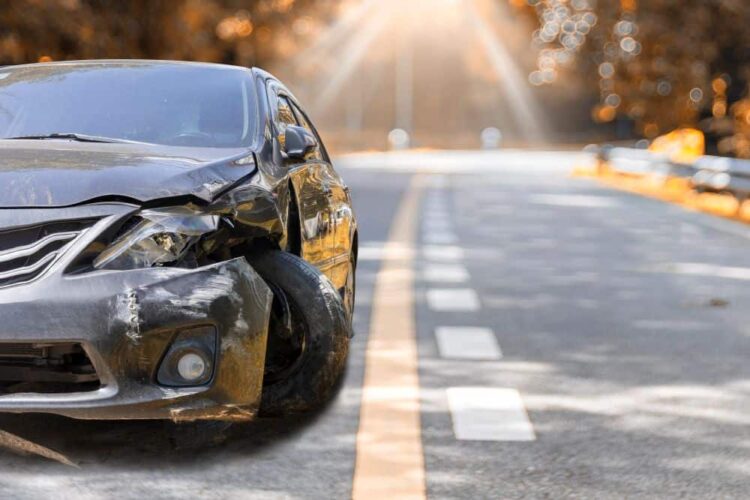
Hitting a crater of a pothole, sliding on a slick patch, or missing a hidden sign can turn a normal drive into a wreck in seconds. After the shock fades, you are left with unanswered questions, outstanding bills, and often a car that won’t start or isn’t safe to drive.
The Law Office of Shane R. Kadlec has been standing with injured individuals in Houston and nearby communities since 1996, and we take road condition cases personally. In this article, we break down who can be responsible for a crash tied to poor roads and how to build a strong claim.
Common Road Hazards Leading to Accidents
Poor road conditions play a major role in many collisions across Texas. Even careful drivers struggle when the surface or surroundings are unsafe, damaged, or marked poorly.
Here are common hazards we see on Houston streets and highways:
- Potholes, broken asphalt, and uneven joints
- Ice on bridges, standing water, or slick mud after storms
- Missing or blocked signs, faded lane lines, and broken signals
- Debris in the lane, loose gravel, or dropped cargo
- Work zones with confusing detours or sudden lane shifts
Each hazard creates its own unique risks, and some hazards can combine to create additional risks. A faded curve warning, paired with a broken shoulder, can be a rough combination for any driver.
Potholes and Uneven Surfaces
Potholes can snap control away from you. Tires blow, suspensions bottom out, and a quick swerve to avoid the hole can start a chain of collisions.
Uneven pavement, open joints, and crumbling asphalt also cause trouble. Motorcycles and small cars are most susceptible to these defects, but SUVs are also vulnerable to damage.
Inadequate Road Maintenance
Roads change fast with Texas weather. If crews do not clear ice, repair large breaks, or repaint invisible lines, the risk of crashes rises rapidly.
Night driving becomes especially risky when reflectors are missing and the paint is barely visible. Drivers make mistakes when the lane is a guess.
Obstructed Visibility
Overgrown trees, construction barriers, and parked equipment can block your view of oncoming traffic or crosswalks. A blind corner with fast speeds is a bad mix.
Loose debris adds another layer, forcing drivers to swerve into lanes they cannot fully see.
Signage and Traffic Control Issues
Missing guardrails, incorrect or hidden signs, and malfunctioning lights create confusion. If drivers cannot rely on the basics, predictable driving becomes impossible.
We often see near-misses turn into crashes where a signal flashes at the wrong time or a stop sign is blocked by a tree limb.
Construction Zones
Work zones should be clearly marked and well-defined. Misplaced cones, poor lighting at night, or sudden lane drops increase the likelihood of a rear-end or side-swipe collision.
Contractors must set up safe detours and keep drivers informed of shifts well in advance of the merge point.
Water Accumulation
Standing water leads to hydroplaning and increased stopping distances. Poor drainage after a Gulf storm can leave lanes slick for hours.
Bridges and low spots are frequent trouble spots, especially where the surface is worn smooth.
Determining Liability: Who Is Responsible?
Determining who is legally responsible can be challenging in cases involving road conditions. Depending on the facts, a government agency, a contractor, a private landowner, or another driver can share the blame.
Government Entities
Cities, counties, and the State of Texas are typically responsible for public roads. Their duties include conducting routine inspections, making reasonable repairs within a fair timeframe, and ensuring the presence of safe signage and lighting.
Common missteps include ignoring a reported crater-sized pothole, dragging feet on ice removal after a freeze, or failing to address repeated complaints about a dangerous intersection. When the agency knew or should have known, and nothing happened, that points to negligence.
Private Contractors
Contractors handle a variety of road work and maintenance, and they share responsibility for ensuring safety. They must follow work-zone rules, set clear warnings, and keep lanes free of debris.
Negligent acts include leaving loose gravel in live lanes, failing to post warning signs for abrupt lane drops, or creating an uneven surface without tapers or signage.
Private Landowners
In some crashes, the problem starts off the road. If a construction site allows gravel, water runoff, or a toppled fence to spill into the roadway, the owner can be held liable.
We see this along rural shoulders and near commercial driveways with heavy truck traffic.
Driver Negligence
Drivers also have duties. You must slow down for conditions, maintain a safe gap, and respect warning signs, even if the posted speed limit is higher.
- Examples of negligence include speeding through a curve with a caution sign, rolling on bald tires in a rainstorm, or cutting through a marked detour.
- Where both the road and a driver’s choices matter, fault can be shared between them.
Texas uses proportionate fault, so your recovery can drop if your share of responsibility rises.
Proving Your Case: Evidence Needed
Winning a road condition case requires proof that the hazard contributed to the wreck and that a responsible party failed to fix or warn reasonably. Strong, early evidence makes a difference.
Accident Scene Documentation
Photos and detailed notes from the scene carry weight. Take wide shots and close-ups, then capture context, such as where signs are located and how lines appear at night, if it’s safe to do so.
- Photograph potholes, ice patches, standing water, missing reflectors, or debris.
- Show your vehicle’s damage and final position relative to the hazard.
- Document blocked signs, poor lighting, or sloppy work-zone setups nearby.
If the condition gets fixed a day later, your images can be the only record of how bad it really was.
Police Reports
An officer’s report helps anchor the timeline and conditions. Look for notes about surface defects, visibility, missing signs, or signal issues.
The report can also capture statements and any citations that hint at contributing factors.
Witness Statements
Passengers, other drivers, and nearby workers can add crucial details. Neighbors who drive the same route daily often know if a hazard keeps returning.
Short, clear statements help tie the history of the problem to your crash.
Maintenance Records
Complaint logs, work orders, and contractor records provide a record of what was reported and when action was taken. Delays or repeated short fixes matter.
Public records requests can uncover earlier incidents at the same spot, strengthening causation.
Challenges in Road Condition Accident Cases
Even with solid facts, these cases bring hurdles. Understanding the big ones keeps you from losing ground early.
Government Immunity
Sovereign immunity protects Texas agencies in many situations; however, the Texas Tort Claims Act creates pathways for negligence tied to streets and highways. You still must follow strict notice rules and prove that the agency had actual or constructive knowledge of the hazard.
Deadlines can be short. Some claims require written notice within six months, and local charters can shorten this window, such as to 90 days in Houston. Missing those steps can sink an otherwise strong claim.
Shared Responsibility
Road condition crashes often involve multiple causes. The curve may be poorly marked, and a driver was following too closely.
Texas uses modified comparative negligence, which means your recovery can be reduced if you share some blame for the crash.
Lack of Evidence
Hazards get fixed or cleaned quickly, which leaves little to photograph later. Work logs and video can be overwritten fast, too.
Move quickly to preserve what you can. Early help with scene photos, witness info, and record requests often changes the outcome.
Texas Law and Negligence
Negligence in Texas is based on four key elements: duty, breach, causation, and damages. A defendant must owe a duty to keep roads reasonably safe, breach that duty, cause the crash through that breach, and you must suffer losses tied to it. Foreseeability matters, meaning the party knew or should have known that the danger was likely to cause harm to someone if left unaddressed.
Texas follows the modified comparative negligence rule, commonly referred to as the 51 percent bar rule. You can recover if your fault is 50 percent or less, and your share of the fault reduces your award.
Texas Deadlines and Fault Rules at a Glance
| Issue | Texas Rule | Notes |
| Personal injury deadline | Two years from the accident date | File suit within the two-year window or lose the claim |
| Government notice | Notice is often required within six months | Some cities, including Houston, require notice within 90 days |
| Comparative negligence | 51 percent bar rule | Recovery is allowed only if your fault is not more than 50 percent |
| Foreseeability | Known or knowable hazard | Show the agency, contractor, or owner knew or should have known |
These rules shape strategy. Early action protects your rights while evidence and deadlines are still in reach.
Statute of Limitations in Texas
Texas generally gives you two years from the crash date to file a personal injury case. Miss the date, and courts can dismiss your case with no review of the facts.
Claims involving government units can trigger extra notice steps that start much earlier, sometimes within months. Quick action keeps every option open.
Contact the Law Office of Shane R. Kadlec Today
Since 1996, the Law Office of Shane R. Kadlec has represented injured Texans facing medical bills, time off work, and prolonged recoveries. If poor road conditions contributed to your accident, let us review the facts and develop a plan. Call 281-643-2000 for a free consultation, or reach us through our Contact Us page. We push for results that help you heal and move forward.