Baytown Car Accident Lawyer: Your Legal Guide After a Serious Crash
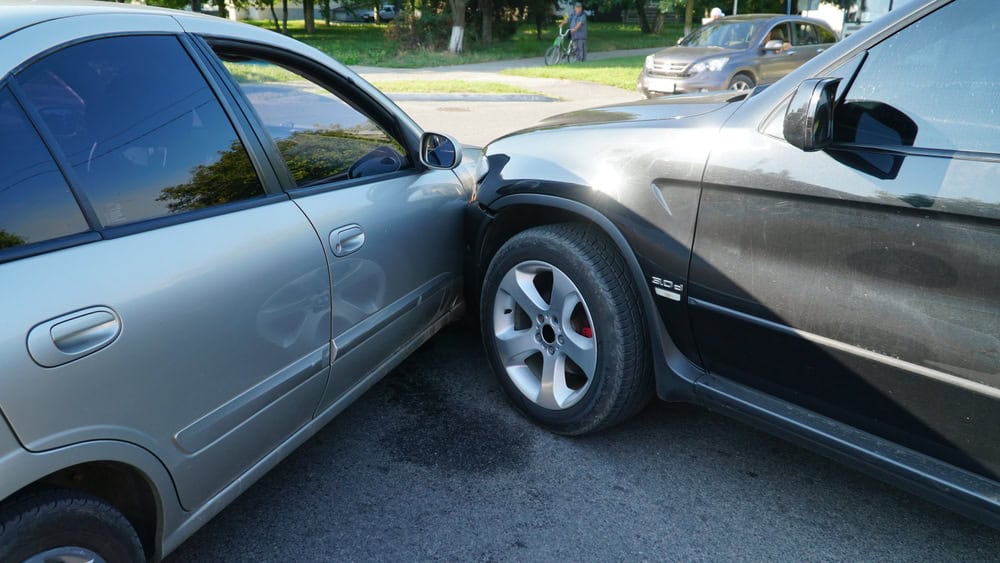
When you’re injured in a car accident, it’s rarely just the physical pain you have to face. Crashes can leave you with mounting medical bills, lost income, and property damage, and on top of that, it’s not always clear what your rights are or what steps you should take next.
Key Takeaways
- Baytown car accidents often involve negligence such as speeding, distracted driving, impaired driving, or failure to obey traffic rules.
- Crash victims should seek medical care, report the accident, exchange information, document the scene, and notify their insurer.
- A Baytown car accident lawyer can help establish liability, calculate damages, negotiate with insurers, and pursue litigation when needed.
In this post, we’ll cover everything car accident victims in Baytown, TX, need to know, ranging from why accidents happen (and why this matters) to what steps to take after a crash, and how legal claims work in Texas.
Common Causes of Car Accidents in Baytown, Texas
Car crashes can happen anywhere, but in Baytown, certain roads see more accidents than others. Interstate 10 (I‑10), a major east‑west highway connecting Houston to eastern Texas, is one of the most frequent sites for serious collisions. Thousands of vehicles, from daily commuters to freight trucks and long-distance travelers, use this corridor every day, and high speeds, heavy traffic, and frequent merging create conditions where even a small mistake can lead to a severe crash.
While crashes are often called “accidents,” that term can be misleading. Many collisions are not random events; they are caused by someone’s negligence. When another driver fails to follow traffic laws or exercise reasonable care, they may be legally responsible for the harm they cause.
Common forms of negligent driving include:
- Speeding and aggressive driving: Traveling above the speed limit reduces reaction time and increases the severity of impact. Rapid lane changes, tailgating, or running red lights can make collisions more likely.
- Distracted driving: Activities such as texting, talking on the phone, eating, or adjusting navigation devices can take a driver’s attention away from the road at critical moments.
- Driving under the influence: Alcohol or drugs impair judgment and reflexes, and remain a leading factor in serious crashes.
- Failure to obey traffic signals and rules: Ignoring stop signs, traffic lights, or right-of-way rules often leads to T-bone and intersection collisions.
When negligence is involved, Texas law gives victims the right to pursue compensation for their injuries, property damage, and other losses.
Common Car Accident Injuries in Baytown
No two car accidents are exactly the same, and the severity of injuries can vary widely. However, there are certain injuries that show up frequently in serious crashes:
- Soft Tissue Injuries and Whiplash: Soft tissue injuries include damage to muscles, ligaments, and tendons. Whiplash, one of the most frequently diagnosed soft tissue injuries, occurs when the head and neck are snapped back and forth rapidly during impact.
- Broken Bones and Fractures: Bones can fracture when the force of impact exceeds the bone’s ability to absorb energy. The arms and legs are particularly vulnerable, but ribs, clavicles, and other bones may also break in moderate to high‑speed collisions.
- Head and Brain Injuries: Head injuries can range from mild concussions to serious traumatic brain injuries (TBI). A collision can cause the brain to move forcefully inside the skull, leading to bruising, bleeding, or swelling.
- Back, Neck, and Spinal Injuries: The spine absorbs a significant share of forces in a crash. Herniated discs, slipped discs, or compression fractures can result from even moderate collisions. In more severe crashes, spinal cord injuries can lead to long‑term disability affecting mobility and quality of life.
- Internal Organ Damage: Internal injuries are particularly dangerous because they might not present obvious outward signs. Damage to organs like the liver, spleen, or kidneys can be life‑threatening if not diagnosed and treated promptly.
- Psychological and Emotional Trauma: Physical injuries are only one component of the aftermath of a serious crash. Many people experience anxiety, sleep disturbances, post‑traumatic stress, or depression following an accident.
What to Do Immediately After a Serious Car Accident in Baytown
Right after a collision, your priority should be safety. But the steps you take next matter not just for your health; they also affect how well you’re able to pursue insurance claims or legal action later.
1. Prioritize Your Health
If anyone is injured or unable to safely exit the roadway, call 911 immediately. Even if your injuries seem minor, you should still plan to see a healthcare professional as soon as possible. Some injuries do not appear until hours or days later. Getting prompt medical attention ensures you begin appropriate treatment and creates early documentation of your injuries.
2. Report the Crash the Right Way
Under Texas law, crashes that result in injury, death, or property damage exceeding $1,000 must be reported to law enforcement as soon as possible. Reporting a crash can also benefit you, as law enforcement officers can create an official police report, which is often crucial evidence in insurance and legal claims. When the responding officer arrives, provide accurate details about what happened, but avoid guessing or speculating.
3. Exchange Information
You should exchange names, phone numbers, addresses, driver’s license numbers, and insurance information with all other drivers involved.
4. Document the Scene Yourself
While still at the accident scene, take as many photos and videos as possible of:
- Vehicle positions and damage
- License plates and identifying vehicle details
- Road conditions, signage, and lighting
- Skid marks, debris, or other environmental evidence
- Your visible injuries
Write down your recollection of the sequence of events while it’s still fresh in your memory, and gather names and contact information from witnesses whenever possible.
5. Notify Your Insurance Company
Most insurance policies require prompt notification of any accident, regardless of who caused it. You should provide factual details about what happened, but avoid speculation.
Why You Need a Baytown Car Accident Lawyer
After a crash, your first instinct may be to handle the aftermath on your own, especially if the other driver was clearly at fault. Unfortunately, car accident claims often turn out to be more complex than many people initially realize. Here are a few reasons why:
Insurance Companies Prioritize Their Bottom Line
Insurance adjusters may seem friendly and helpful, but their primary obligation is to minimize the amount their company pays out. They may make low initial settlement offers, ask for recorded statements, or apply pressure tactics that can undermine your claim if you’re unrepresented.
Liability Can Be Complex
In some situations, liability, or who is responsible for the crash, is not clear-cut. This is especially true in accidents involving multiple drivers or commercial vehicles. In addition, there may be situations where you share some level of fault for the accident, or the other driver claims you do. In these situations, your compensation can be reduced or even barred entirely.
It’s Easy to Undervalue a Claim
It may seem simple to tally medical bills and lost wages, but some claims can include much more. For example:
- Future medical care and rehabilitation
- Long‑term care or therapy
- Lost future earning capacity if injuries affect your ability to work
- Emotional and psychological impacts that affect quality of life
In short, having experienced legal representation on your side can help give you the best chance of recovering the full compensation you are entitled to, particularly in cases where injuries are serious or liability is disputed or unclear.
How a Lawyer Helps You Build a Strong Auto Accident Case
Navigating the aftermath of a serious crash can be overwhelming. A Baytown car accident lawyer doesn’t just handle paperwork; they methodically build your case to ensure you can pursue the full compensation you deserve. This process typically follows three essential steps:
1. Establishing Liability
The first priority is proving who caused the crash and that their negligence led to your injuries. In Texas, liability must be clearly established before any compensation can be recovered. Your lawyer collects evidence to create a solid record of fault:
- Police crash reports: Official documentation of the collision and the responding officer’s findings.
- Witness statements: Accounts from people who saw the accident occur.
- Photographs and videos: Visual evidence of vehicle positions, damage, road conditions, and traffic controls.
- Medical records: Initial medical reports that link injuries directly to the crash.
- Vehicle telematics or dashcam footage: Data showing speed, braking, or impact forces.
- Expert evaluations: Accident reconstruction specialists may be consulted to explain how the collision happened and who was at fault.
Establishing liability is the foundation of your claim. Without clear evidence of negligence, pursuing compensation becomes far more difficult, and sometimes impossible.
2. Calculating Damages
Once liability is established, the next step is quantifying the full scope of your losses. A skilled lawyer ensures that all past and future damages are identified and documented. This might include medical expenses, lost income, pain and suffering, and loss of earning capacity.
This step is not always just a matter of gathering documents. In some cases, your lawyer may work closely with medical professionals, vocational experts, and other specialists to ensure that all future costs and impacts are properly accounted for in your claim.
3. Advocating for Compensation
With liability established and damages fully calculated, your lawyer then takes action to ensure your claim is presented effectively. This begins with communicating with insurance companies on your behalf. They present a clear, evidence-supported claim, respond to adjuster questions, and advocate for a settlement that accurately reflects the true value of your losses.
If negotiations do not result in a fair settlement, an experienced lawyer will be prepared to escalate the case to litigation. This can involve filing a personal injury lawsuit, conducting discovery, deposing witnesses, and representing you at trial.
Types of Compensation You May Be Entitled To After a Baytown Motor Vehicle Accident
Car accident claims, like other personal injury claims, allow you to pursue compensation for various categories of losses, both financial and non‑financial:
Economic Damages
Economic damages compensate for direct monetary losses that are easy to document:
- Medical bills, including future treatments
- Costs of rehabilitation and therapy
- Lost income and reduced earning capacity
- Vehicle repair or replacement
- Out‑of‑pocket expenses related to the crash
These damages are typically supported by bills, receipts, invoices, and wage documentation.
Non‑Economic Damages
Non‑economic damages address losses that are harder to quantify but very real:
- Pain and suffering: Compensation for physical pain and discomfort.
- Emotional distress: Acknowledgment of psychological impacts like anxiety, fear, or depression.
- Loss of enjoyment of life: For limitations in daily activities or hobbies you once enjoyed.
- Disfigurement or permanent impairment: For lasting effects that change your quality of life.
These damages often require skilled legal argumentation supported by medical testimony or expert evaluation.
If You Were Involved in a Serious Crash, Speak With Our Baytown Car Accident Attorneys Today
At the Law Office of Shane R. Kadlec, we understand how overwhelming life can feel after a serious car accident caused by someone else’s negligence. Between medical bills, lost income, and the stress of dealing with insurance companies, it can be hard to know what to do next. That’s why we are here to help.
Our law firm has been representing injury victims in Texas since 1996. We are board-certified in personal injury trial law by the Texas Board of Legal Specialization, a distinction held by fewer than 10% of Texas attorneys. This means we have the experience and recognition to handle complex cases and fight for fair compensation for our clients.
When you work with us, we will:
- Explain your rights under Texas law and guide you through the claims process.
- Conduct a thorough investigation of your crash, gathering evidence and working with experts if needed.
- Communicate with insurers on your behalf, negotiating to ensure you are not undervalued.
- Advocate for compensation for medical bills, lost wages, pain and suffering, and other losses.
- Represent you in court if a fair settlement cannot be reached.
We work on a contingency fee basis, which means you do not pay any upfront costs, and you only owe attorney fees if we recover compensation for you. Our goal is to make the legal process as clear and manageable as possible, so you can focus on your recovery while we handle the legal details.
Schedule a free consultation with us to learn more about your legal options. Your recovery and your rights matter, and we are here to protect both.